
IOT Based Attendance System
Hello, and welcome to my personal blog! Today I want to share with you my journey in developing an RFID IoT based attendance system.
The Internet of Things (IoT) has been a rapidly growing field in recent years, with the potential to revolutionise the way we live and work.
The first step in developing this system was to research and gather information on RFID technology and IoT systems. This involved delving deep into the technical details of how RFID works, as well as understanding the basic principles of IoT systems and how they can be used to optimize various processes.
What is RFID?
RFID stands for Radio Frequency Identification. It is a wireless communication technology that enables automatic identification and tracking of objects, animals, or people using radio waves. RFID consists of two main components: an RFID reader (also known as an interrogator) and an RFID tag. The reader emits a radio frequency signal, which is received by the tag. The tag then sends back a unique identification code to the reader. The reader can then use this code to identify and track the object or person associated with the tag.
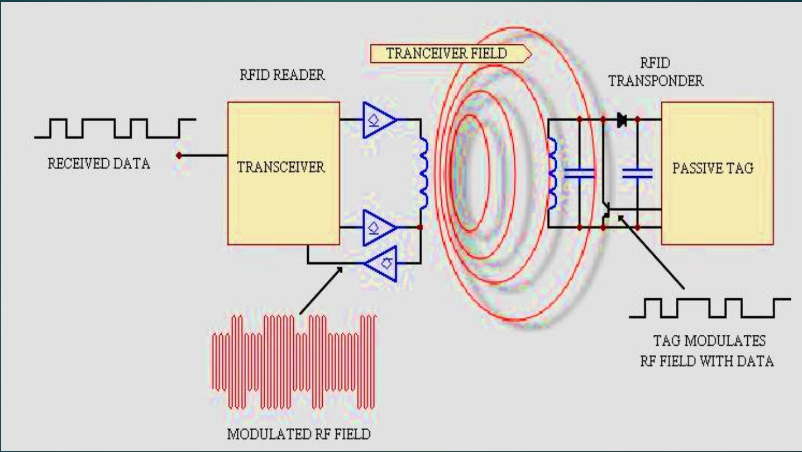
Once I had an understanding of these concepts, I began the process of designing and building the actual system.One of the biggest challenges in developing this system was ensuring that it was user-friendly and easy to use. To address this, I spent a significant amount of time designing the user interface and ensuring that the system was intuitive and straightforward to operate.
Software Features
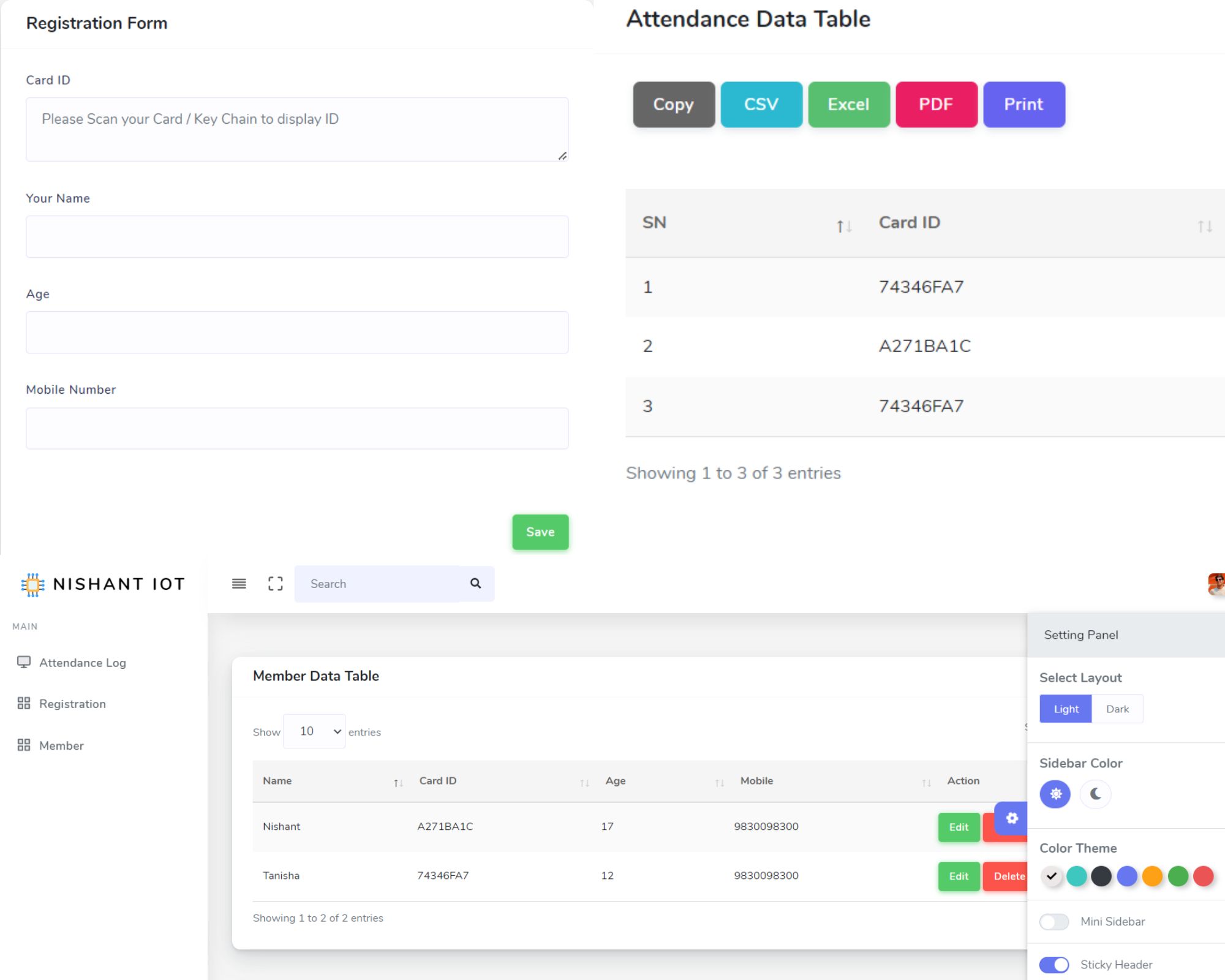
- Registration Form
- User DataTable
- Attendance Log
- Sort/Filter Options
- Friendly User Interface
- Full Responsive Design
Advantages
- Accurate and Real-time Tracking: RFID technology provides accurate and real-time attendance tracking, reducing the possibility of errors and inaccuracies in the attendance records.
- Increased Efficiency: With the use of RFID technology, the attendance process becomes quick and efficient, reducing the time required for manual attendance processes.
- Reduced Cost: The RFID attendance system eliminates the need for manual attendance processes, reducing labour costs and increasing overall efficiency.
- Easy Integration: The RFID attendance system can be easily integrated into a cloud-based platform, making it accessible from anywhere with an internet connection.
- Improved Data Management: The cloud-based platform allows for easy management and storage of attendance records, providing a centralised and secure location for data storage.
- Automated Reporting: The system generates automated reports, saving time and reducing the possibility of errors in manual report generation.
- Remote Accessibility: The cloud-based platform allows for remote access to attendance records, making it convenient for managers and administrators to monitor attendance from anywhere.
- Scalability: The RFID attendance system is highly scalable and can be easily expanded to accommodate an increasing number of students or employees.
- Easy Maintenance: The cloud-based platform provides easy maintenance and updates, reducing the need for on-site maintenance and reducing costs.
Achievement
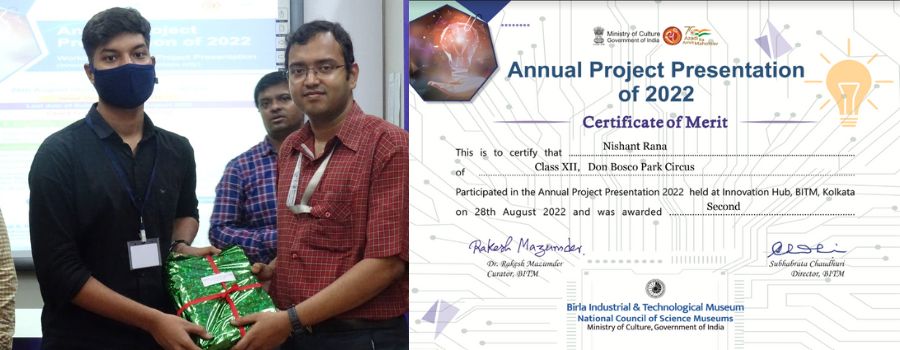
This project has been demonstrated at various competitions and fairs including National Science Fair and has been awarded second prize in Annual Project Presentation at Innovation Hub, BITM Kolkata.
Conclusion
This project has demonstrated the potential of IoT and RFID technology in improving attendance management, and highlights the need for further development in this area. As IoT continues to evolve, we can expect to see even more advanced solutions that leverage new technologies, such as artificial intelligence and machine learning.